Satin Finserv Limited Bonds: Features, YTM, Credit Rating & Key Risks Explained

Quick Answer
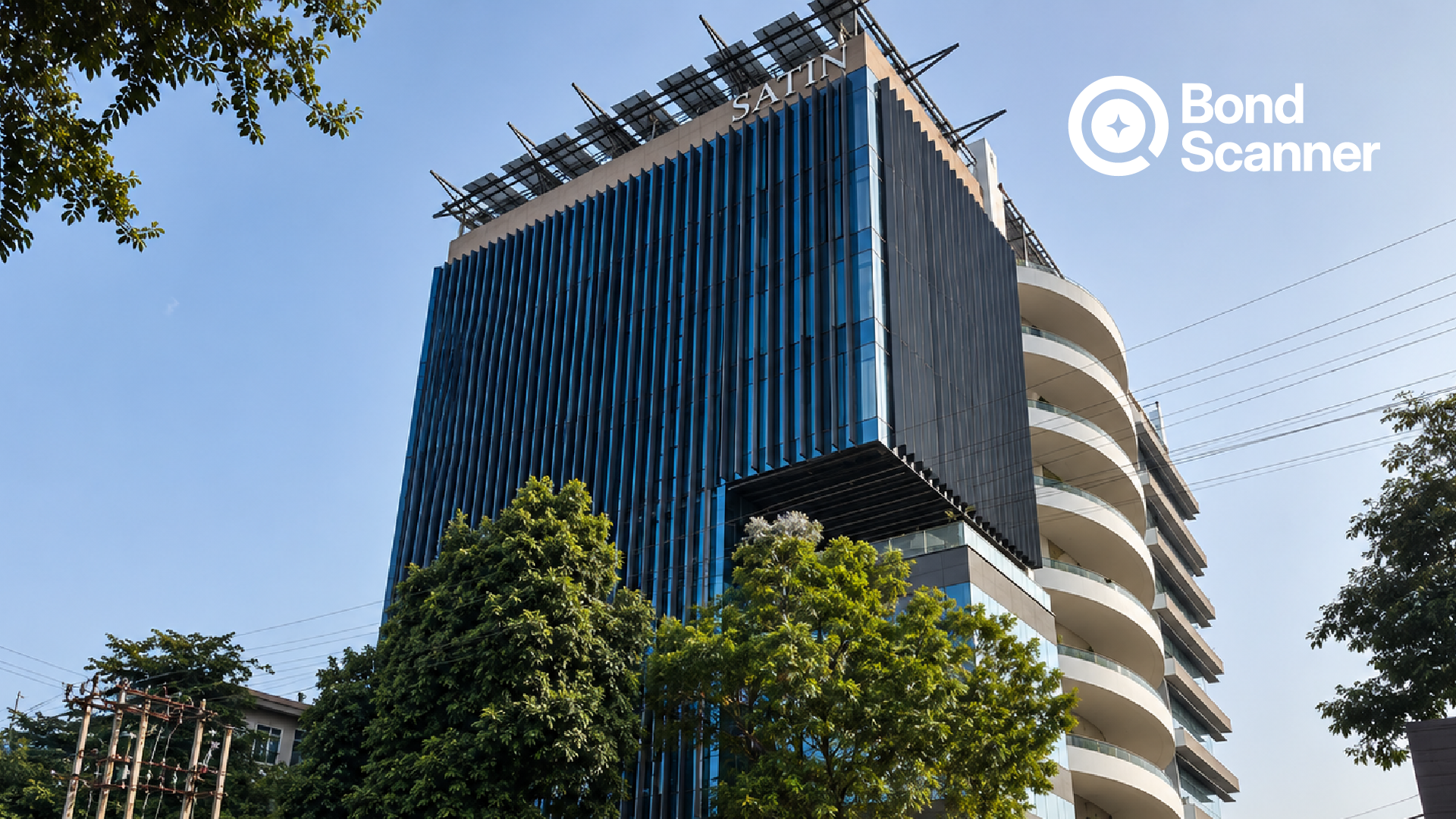
Satin Finserv Limited (SFL) Bonds & NCDs (e.g., ISINs: INE03K307082, INE03K307124, INE03K307074) are senior secured, exchange-listed Non-Convertible Debentures issued by a systemic MSME-focused Non-Banking Financial Company (a 100% subsidiary of Satin Creditcare Network Limited). Holding an investment-grade credit rating of ICRA A- / Stable, these debentures offer attractive fixed coupons between 10.35% and 11.00% p.a. with Monthly and Quarterly payout structures. Backed by a minimum 1.05x first-ranking asset cover over hypothecated business loan receivables, they trade on BSE debt segments at secondary Yields to Maturity (YTM) of ~11.50%–12.00% p.a.
Introduction
Investing in bonds is a popular method of earning regular interest while also preserving capital. One such bond offering in India is from Satin Finserv Limited, an NBFC offering debt securities in the form of senior secured bonds. These bonds attract investors due to their attractive yield to maturity (YTM) and fixed coupon rate.
Searches like Satin Finserv Limited bonds, Satin Finserv Limited review, or Satin Finserv Limited credit rating are commonly made by investors looking to evaluate the risks and returns of this particular bond offering.
This article explains Satin Finserv Limited bonds, detailing their key features, YTM, credit rating, collateral, and the risks involved. The article is educational, providing clarity on these bonds without making any recommendations.
What Are Satin Finserv Limited Bonds?
Satin Finserv Limited bonds are debt securities issued by Satin Finserv Limited, a registered non-banking financial company (NBFC). These bonds offer fixed interest payments to investors over a defined period, with the principal repaid at maturity.
Key characteristics of Satin Finserv bonds include:
Senior Secured Debt: These bonds are backed by collateral, giving bondholders priority over unsecured creditors in case of financial distress.
Fixed Coupon Rate: The bonds pay a fixed interest rate over the investment period.
Monthly Interest Payout: Investors receive interest payments monthly.
These features make Satin Finserv bonds a structured investment option for those looking for fixed income with a relatively higher yield compared to traditional fixed deposits or government bonds.
Satin Finserv Limited Bonds: Key Technical Specifications
| Parameter | Verified Specification Detail |
|---|---|
| Issuer Corporate Name | |
| Instrument Classification | |
| Representative ISINs | |
| Nominal Face Value | |
| Contractual Coupon Range | |
| Indicative Secondary YTM | |
| Tenure / Maturity Horizon | |
| Interest Payout Frequency | |
| Validated Credit Rating | |
| Security & Collateral Cover | |
| Debenture Trustee | |
| Exchange Listing |
Key Features of Satin Finserv Limited Bonds
The key features of Satin Finserv Limited bonds include:
Bond Name: Satin Finserv Limited June'27
ISIN: INE03K307082
Maturity Date: 30 June 2027
Face Value: ₹1,00,000 per bond
Coupon Rate: 10.95% fixed
Yield to Maturity (YTM): 11.60%
Coupon Payment Frequency: Monthly
Minimum Investment Amount: ₹99,632
Collateral Coverage: 1.05x (secured by assets)
Credit Rating: ICRA A- (Stable)
Mode of Issue: Private Placement (EBP)
Current Yield: 10.96%
These features show that the bonds provide fixed returns with a strong security backing, making them appealing to investors seeking regular income with a high yield.
Yield to Maturity (YTM) and Coupon Rate
Yield to Maturity (YTM)
YTM is the total return expected from the bond if it is held until maturity. For Satin Finserv bonds, the YTM is 11.60%, which takes into account:
Coupon rate
Bond price (clean price of ₹99.90)
Maturity period
The YTM is higher than the coupon rate because the bond is being issued at a discount (₹99.90 instead of ₹1,00,000), meaning the investor will also make a capital gain upon maturity.
Coupon Rate
The coupon rate of 10.95% indicates the fixed interest that investors will receive monthly on the face value of the bond. For example, for each ₹1,00,000 bond:
Monthly interest payment = ₹10,950 / 12 = ₹912.50
This provides a consistent and predictable income stream for investors.
Credit Rating Overview
The credit rating of the Satin Finserv bonds is A- (Stable) by ICRA, a leading credit rating agency. This rating indicates that the bonds have an adequate degree of safety regarding timely servicing of financial obligations, but may be more susceptible to adverse economic conditions compared to higher-rated bonds.
What Does "A- (Stable)" Mean?
A-: The bond is considered to have a moderate credit risk.
Stable: The outlook for the bond issuer is stable, suggesting that there are no significant risks of downgrades in the near term.
Bond Issuer: Satin Finserv Limited
Satin Finserv Limited is a prominent non-banking financial company (NBFC) based in India. It provides a wide range of financial services, primarily focusing on microfinance lending. Satin Finserv has a robust asset management base and strong relationships with institutional lenders like SBI, HDFC Bank, and Kotak Mahindra Bank.
As of FY 25, Satin Finserv’s assets under management (AUM) amounted to ₹927 crore, and it maintains a Capital Adequacy Ratio (CRAR) of 29.25%, indicating strong capitalisation.
Collateral and Security Structure
The Satin Finserv bonds are senior secured, meaning they are backed by collateral in the form of tangible assets or receivables. The collateral coverage ratio is 1.05x, meaning the value of the assets securing the bonds exceeds the bond’s value by 5%, providing additional security to investors in case the company faces financial difficulties.
Interest Payment and Maturity Profile
Satin Finserv bonds offer monthly interest payments at a fixed coupon rate, providing consistent income for investors throughout the life of the bond. The bond matures on 30 June 2027, at which point the principal amount will be repaid to investors.
The bond’s tenure is 1 year, 8 months, and 26 days, with the first interest payout occurring monthly from the bond’s issue date of 30 December 2025.
Risks and Limitations of Satin Finserv Bonds
While Satin Finserv bonds offer attractive yields, they carry certain risks:
Credit Risk: The issuer may face difficulties in repaying principal or interest.
Market Risk: Bond prices may fluctuate due to interest rate changes.
Liquidity Risk: Secondary market trading may be limited, making it difficult to sell the bond before maturity.
Operational Risk: Factors such as mismanagement, poor governance, or economic downturns may impact the issuer’s ability to meet obligations.
How Satin Finserv Bonds Compare to Other Investment Options
Compared to traditional savings instruments like fixed deposits (FDs), Satin Finserv bonds offer higher yields (11.60% YTM vs. 5-7% in FD rates). However, bonds carry market risk and credit risk, whereas FDs are typically risk-free (when covered by deposit insurance). Investors need to assess whether the higher return compensates for these risks.
Common Misconceptions About Satin Finserv Bonds
Some common misconceptions include:
“Bonds are risk-free.”
All bonds carry credit risk, and this is particularly important to understand when investing in corporate bonds.
“The rating guarantees bond safety.”
While a BBB (Stable) rating offers moderate safety, it does not guarantee repayment.
“Bond prices always move in a predictable direction.”
Bond prices are influenced by interest rates, and market fluctuations.
Conclusion
Satin Finserv bonds represent an attractive investment option for those seeking higher yields (11.60% YTM) with monthly payouts. The senior secured structure, credit rating (A-), and collateral coverage make these bonds a structured and secure investment choice. However, investors must consider credit risk, market risk, and liquidity risk before investing.
Understanding the issuer’s background, collateral structure, and regulatory framework enables informed decision-making.
Disclaimer
This blog is intended solely for educational and informational purposes. The bonds and securities mentioned herein are illustrative examples and should not be construed as investment advice or personal recommendations. BondScanner does not provide personalized investment advice through this content.
Readers are advised to independently evaluate investment options and seek professional guidance before making financial decisions. Investments in bonds and other securities are subject to market risks, including the possible loss of principal. Please read all offer documents and risk disclosures carefully before investing.
Recent Blogs


Issuer Spotlights
Nirmal Bang Securities Bonds: NCD Structure, Rating & Risks
An in-depth investor guide to Nirmal Bang Securities Private Limited NCDs, breaking down brokerage operations, 10.25% per annum quarterly payouts, CRISIL A- credit ratings, secondary market yields, and risk parameters.

Atharva Joshi
15 Oct 2026