Bhai Dooj: The Story of Yama and Yamuna, and How the Tilak Became a Promise of Protection

Bhai Dooj: The Story of Yama and Yamuna, and How the Tilak Became a Promise of Protection
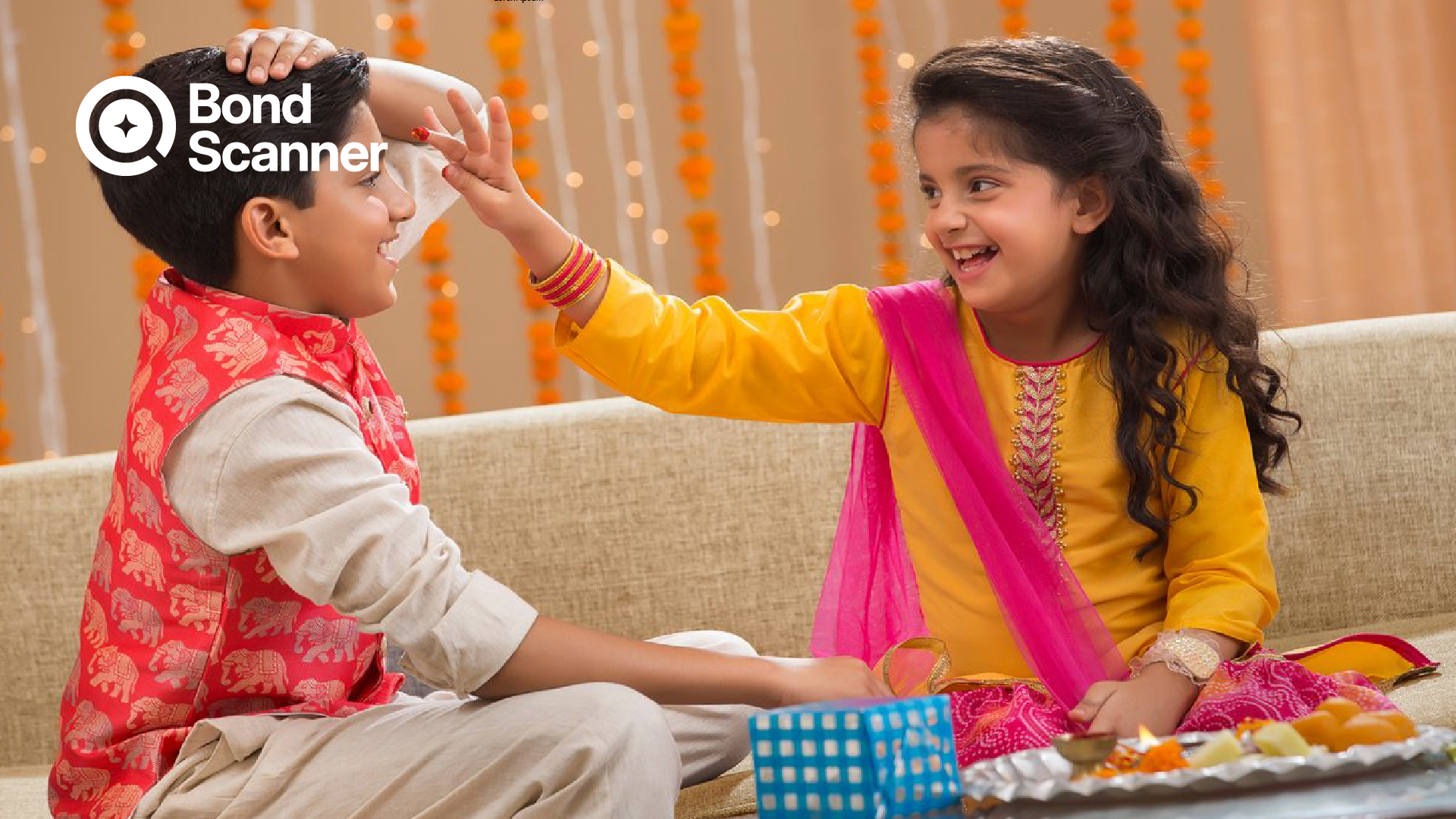
Two days after Diwali, sisters across India prepare a small thali: roli, rice, a diya and something sweet. Brothers come home, sometimes from across the country, to sit for a tilak and a meal. It's one of the gentlest days of the festive week. And the story behind it is about a promise.
What is Bhai Dooj?
Bhai Dooj falls on the second day of the bright half of Kartik, which is why it's also called Yama Dwitiya. It's known as Bhau Beej in Maharashtra, Bhai Phonta in Bengal and Bhai Tika in Nepal.
On this day, sisters apply a tilak on their brothers' foreheads and pray for their long life. Brothers, in turn, promise to stand by their sisters and often give a gift.
The story of Yama and Yamuna
The story goes that Yama, the god of death, and Yamuna, the river goddess, were brother and sister, both children of Surya. Yamuna loved her brother dearly and kept inviting him to visit, but Yama was always busy with his duties.
One day, on this very date, he finally came. Yamuna welcomed him with an aarti, applied a tilak on his forehead and served him a meal she had cooked herself.
Yama was so moved that he asked her to name a wish. Yamuna asked that he visit her every year on this day. Yama granted it, and added a blessing of his own: any brother who receives a tilak from his sister on this day would be protected from untimely death.
Another telling: Krishna and Subhadra
In another version, Lord Krishna visits his sister Subhadra after defeating Narakasura. She welcomes him home with a tilak, flowers and sweets. This is one of the ways Bhai Dooj ties back to Naraka Chaturdashi, two days earlier.
How the tilak became a promise of protection
In both stories, the tilak is more than a mark. It's a sister's prayer for her brother's safety, and a brother's promise to look out for her in return.
Protection, in this sense, goes both ways. It's something families give each other, quietly, year after year.
What protection looks like today
The promises we make to family today often involve money, even if we don't talk about it at the dinner table. A few small ways to turn that promise into something practical:
Talk about money openly: Siblings often know very little about each other's financial plans, even when they share responsibilities for parents.
Update your nominees: Make sure nominee details on your bank accounts, demat account and investments reflect what you want.
Keep important documents findable: Let at least one family member know where your key papers and account details are kept.
Give a gift that grows: Some families now gift savings or investments instead of, or along with, a traditional gift. Whatever you choose, make sure the person receiving it understands what it is.
None of this replaces the tilak or the sweets. It simply carries the same promise a little further.
Warm wishes on Bhai Dooj
As the festive week comes to an end, we hope you get to spend today with the people who look out for you, and the ones you look out for.
From all of us at BondScanner, warm wishes on Bhai Dooj.
Published By:
BondScanner, a SEBI-registered Online Bond Platform Provider (OBPP). Links to BondScanner's platform and app listings are for educational and informational discovery purposes only.
Disclaimer:
This blog is intended solely for educational and informational purposes. The instruments, issuer categories, yield ranges, and examples mentioned herein are illustrative and should not be construed as investment advice or recommendations. BondScanner is a SEBI-registered OBPP and does not provide personalized investment advice. Nothing in this article is a solicitation to buy or sell any security. Fixed and coupon returns described in this article do not constitute guaranteed or assured returns. Investments in debt securities are subject to market, credit, and default risks, including delay and/or default in payment. Investors must read all offer-related documents carefully before investing.