Adani Enterprises NCD Issue Sold Out in 45 Minutes: Key Details

Introduction: A Swift Sellout in India’s Bond Market
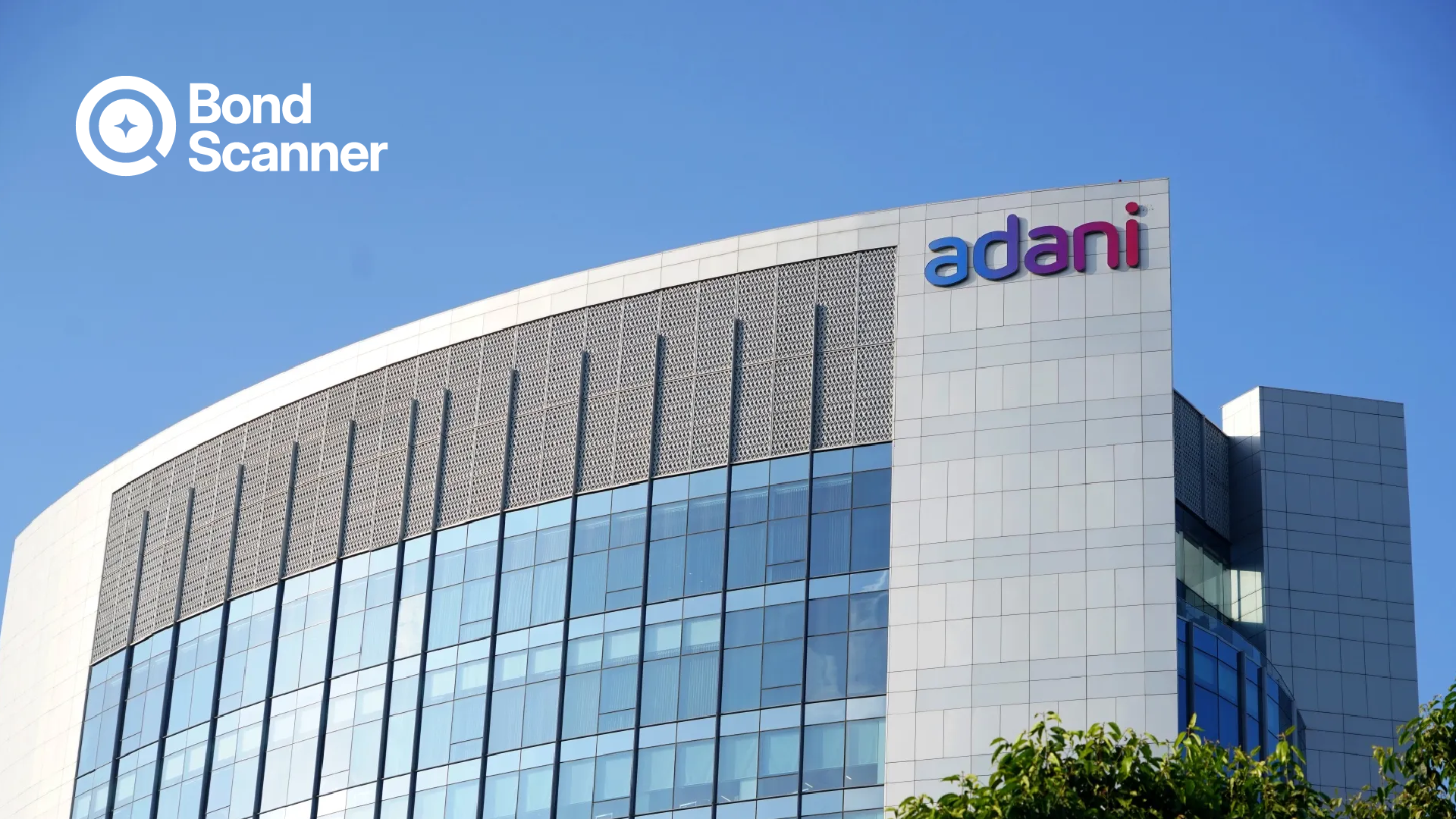
Adani Enterprises has once again captured the attention of India’s fixed-income investors. Its ₹1,000 crore public issue of non-convertible debentures (NCDs) was fully subscribed within just 45 minutes of opening, underlining strong demand for high-quality corporate debt at the start of 2026. The speed of the subscription is notable, especially in a market where investors remain selective about credit quality and returns. The rapid response reflects growing confidence in well-rated issuers and a rising appetite for predictable income instruments such as bonds and NCDs.
Overview of Adani Enterprises’ ₹1,000 Crore NCD Issue
The flagship company of the Adani Group launched the secured NCD issue with a base size of ₹500 crore, along with a greenshoe option of ₹500 crore. The issue opened at 10:21 am on January 6 and was originally scheduled to remain open until January 19, with allotment on a first-come, first-served basis.
However, strong investor interest ensured that the entire ₹1,000 crore issue was fully subscribed in under an hour, making it one of the fastest bond sellouts in recent times.
Subscription Timeline: How the Issue Was Fully Booked
The subscription pace highlighted the intensity of demand:
The base issue of ₹500 crore was fully subscribed in just 10 minutes
Total bids crossed ₹800 crore within the first few minutes
The entire ₹1,000 crore issue was sold out within 45 minutes
Such a swift sellout is rare in public bond offerings and signals a favourable environment for high-rated issuers tapping the domestic debt market.
Investor Participation Breakdown
The early subscription data revealed a clear trend in investor participation.
Non-institutional investors (NIIs) dominated the issue, contributing bids worth ₹651.45 crore
High net-worth individuals (HNIs) subscribed to ₹71.90 crore
Retail investors placed bids amounting to ₹87.15 crore
Institutional investors had not participated at the time of the initial disclosure
This pattern suggests that individual investors and wealth segments are increasingly turning to bonds as an alternative to traditional fixed deposits and volatile equity markets.
Why Non-Institutional Investors Led the Demand
Several factors explain the strong response from non-institutional investors:
Attractive interest rates compared to bank fixed deposits
Secured structure, offering additional comfort to investors
Short-to-medium tenures, suitable for income-focused portfolios
Stable credit ratings, reducing perceived default risk
For many investors, Adani Enterprises’ NCDs provided a balanced mix of yield and credit comfort at a time when interest rates remain competitive.
NCD Structure, Tenure, and Interest Rates
| Parameter | Details |
|---|---|
| Issue Size | ₹1,000 crore (Base ₹500 crore + Greenshoe ₹500 crore) |
| Tenure Options | 2 years, 3 years, 5 years |
| Maximum Coupon Rate | Up to 8.90% per annum |
| Interest Payout | Annual, Quarterly, or Cumulative |
| Credit Rating | CARE AA- (Stable), ICRA AA- (Stable) |
| Nature of NCDs | Secured |
Credit Rating and Risk Profile
The issue carries a CARE AA- (Stable) and ICRA AA- (Stable) rating. This places the NCDs in the high-investment-grade category, indicating a strong capacity to meet financial obligations.
While no corporate bond is entirely risk-free, such ratings generally signal low credit risk, making the issue suitable for conservative investors seeking predictable returns.
Comparison With Previous Adani Enterprises Bond Issues
This marks Adani Enterprises’ third public bond issue, following earlier issuances in September 2024 and July 2025. Each successive offering has seen strong participation, reflecting sustained investor confidence.
By returning to the bond market early in the year, Adani Enterprises appears to be strategically locking in funding while market conditions remain favourable.
What This Means for India’s Corporate Bond Market
The swift sellout of the Adani Enterprises NCD issue carries broader implications:
Rising retail participation in corporate bonds
Growing preference for fixed-income diversification
Increased confidence in well-rated private issuers
Strengthening of India’s domestic bond market
As equity markets remain volatile, bonds are emerging as a viable option for investors seeking stability and income.
Key Takeaways for Bond Investors
For investors tracking developments in the bond market, this issue offers several insights:
High-quality issuers can attract strong demand even in short timeframes
Secured NCDs with competitive yields remain popular among NIIs and retail investors
Credit ratings continue to play a critical role in investor decision-making
Timing matters—first-come, first-served issues can close rapidly
Final Thoughts
The fact that Adani Enterprises’ ₹1,000 crore NCD issue was sold out in just 45 minutes underscores the evolving dynamics of India’s fixed-income market. With attractive yields, strong credit ratings, and flexible tenure options, the issue resonated strongly with non-institutional and retail investors.
As more companies tap the bond market for funding, such rapid subscriptions could become more common—especially for issuers that combine scale, credit quality, and competitive pricing.
For investors, the takeaway is clear: corporate bonds are increasingly becoming a mainstream investment avenue, and staying informed is key to capitalising on such opportunities.
Disclaimer
This blog is intended solely for educational and informational purposes. The bonds and securities mentioned herein are illustrative examples and should not be construed as investment advice or personal recommendations. BondScanner, as a SEBI-registered Online Bond Platform Provider (OBPP), does not provide personalized investment advice through this content.
Readers are advised to independently evaluate investment options and seek professional guidance before making financial decisions. Investments in bonds and other securities are subject to market risks, including the possible loss of principal. Please read all offer documents and risk disclosures carefully before investing.
Recent Blogs

Issuer Spotlights
Nirmal Bang Securities Bonds: NCD Structure, Rating & Risks
An in-depth investor guide to Nirmal Bang Securities Private Limited NCDs, breaking down brokerage operations, 10.25% per annum quarterly payouts, CRISIL A- credit ratings, secondary market yields, and risk parameters.

Atharva Joshi
15 Oct 2026