Bond Trading Platforms in India: Apps, Platforms & Comparison

Introduction
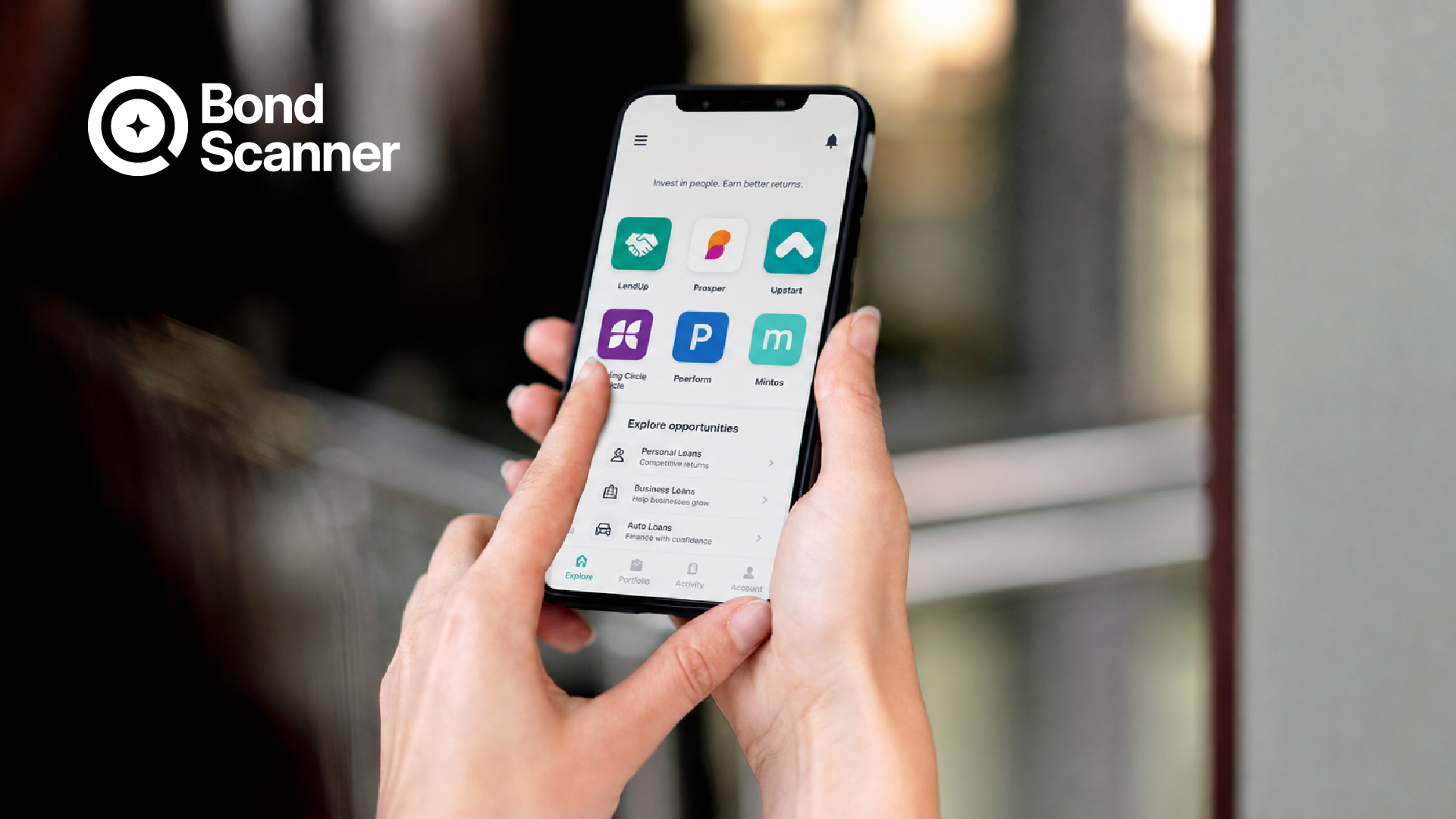
India’s bond market has become increasingly accessible to retail participants with the emergence of digital bond trading platforms and mobile applications. These platforms simplify discovery, comparison, and execution of bond transactions that were earlier dominated by institutional participants.
However, not all platforms operate the same way. Understanding how a bond trading platform in India functions, what features matter, and how different platforms compare structurally is essential before choosing any bond investment app.
This article provides an educational comparison framework—without recommending or ranking any specific platform.
If you are new to fixed income markets, it’s helpful to first learn how to invest in bonds for beginners before comparing the platforms where these instruments can be traded.
What Is a Bond Trading Platform?
A bond trading platform is a digital interface that enables users to:
discover available bonds
view pricing, yields, and maturity details
place buy or sell orders
access primary or secondary bond markets
hold bonds through demat accounts
These platforms act as intermediaries between investors, exchanges, and issuers, depending on their operating model.
Types of Bond Trading Platforms in India
Bond trading platforms in India broadly fall into the following categories:
1. Exchange-Based Platforms
Allow trading of listed bonds on stock exchanges.
2. Online Bond Platform Providers (OBPPs)
Facilitate bond discovery and transactions under regulatory frameworks.
3. Brokerage-Integrated Platforms
Bond access provided through stockbroking applications.
4. Bank-Linked Platforms
Offered by banks as part of broader investment services.
5. Institutional Distribution Platforms
Primarily serve high-value or institutional participants, sometimes extending access digitally.
Each type differs in product access, transparency, and execution flow.
While comparing bond trading platforms, investors should also check whether they support advanced order types such as an after market order, which allows placing trades outside regular market hours.
How Bond Investment Apps Work
A bond investment app typically provides:
bond listings with filters
yield, coupon, and maturity details
issuer and rating information
minimum investment thresholds
order placement and confirmation
Most apps require a linked demat and trading account. Execution may occur on exchanges or through authorized intermediaries.
Key Features to Compare Across Platforms
When doing a bond platforms comparison, consider the following dimensions:
✔ Bond Universe
Government bonds, PSU bonds, corporate bonds, SDLs, or structured instruments.
✔ Minimum Investment Size
Some platforms allow lower entry amounts than others.
✔ Data Transparency
Clear display of YTM, coupon, maturity, price, and accrued interest.
✔ Search & Filtering Tools
Ability to filter by rating, issuer, maturity, yield, or sector.
✔ Order Types
Market vs limit orders, partial execution support.
Pricing, Transparency & Yield Display
Bond pricing is more complex than equity pricing.
Key elements platforms may display:
clean price vs dirty price
yield to maturity (YTM)
coupon rate
accrued interest
settlement date
Transparent platforms clearly explain how yields are calculated and how prices may vary intraday.
When comparing bonds on trading platforms, investors should look beyond the listed yield and understand whether it reflects maturity or call assumptions. Knowing the difference between ytc vs ytm is essential, especially for callable corporate bonds.
Primary vs Secondary Market Access
Primary Market
Bonds are purchased during issuance
Pricing and allocation follow issue terms
Secondary Market
Bonds trade between participants
Prices fluctuate based on demand, liquidity, and interest rates
Some platforms offer both, while others specialize in secondary market access.
User Experience & Technology Considerations
Technology plays a major role in platform usability.
Factors affecting experience:
app speed and stability
clarity of bond information
ease of placing and tracking orders
portfolio visibility
notifications and reporting
User experience does not affect bond performance but can influence ease of monitoring and execution.
Safety, Compliance & Regulatory Framework
Bond platforms operate within regulatory boundaries.
Key safeguards include:
demat-based holding of securities
exchange settlement mechanisms
segregation of client funds
disclosure requirements
Understanding whether a platform operates under exchange, brokerage, or OBPP frameworks helps users evaluate structural safeguards.
Liquidity & Execution Considerations
Liquidity varies significantly across bonds.
Platform-related factors:
access to active market makers
bid-ask spread visibility
average daily volumes
execution speed
Illiquid bonds may show attractive yields but could be harder to buy or sell efficiently.
While comparing bond trading platforms, investors should evaluate how easily they can exit their holdings. Understanding how to sell bonds in the secondary market helps assess platform liquidity, settlement timelines, and transaction costs.
How to Approach Bond Platforms Comparison
Instead of looking for a “best app,” an educational comparison framework may include:
Access – types of bonds available
Transparency – clarity of pricing and yields
Ease of Use – interface and workflows
Execution – order reliability and liquidity
Compliance – regulatory structure
Reporting – statements and portfolio tracking
Different platforms may suit different use cases depending on investment size, frequency, and experience level.
Common Misconceptions
Misconception 1: All bond platforms show the same prices
Bond prices can differ due to liquidity and execution channels.
Misconception 2: Bond apps guarantee better returns
Platforms facilitate access; returns depend on bond characteristics and market conditions.
Misconception 3: Bond trading is as liquid as equity trading
Many bonds trade infrequently compared to stocks.
Misconception 4: Higher yields mean better platforms
Yield depends on issuer risk, maturity, and market conditions—not the platform itself.
Conclusion
Bond trading platforms in India have significantly improved access to fixed-income markets, offering tools for discovery, comparison, and execution. Understanding how these platforms work, what features to compare, and how execution differs across market segments helps users make informed structural choices.
A thoughtful bond platforms comparison focuses on transparency, access, compliance, and usability—rather than promises or rankings.
Disclaimer
This blog is intended solely for educational and informational purposes. The bonds and securities mentioned herein are illustrative examples and should not be construed as investment advice or personal recommendations. BondScanner, as a SEBI-registered Online Bond Platform Provider (OBPP), does not provide personalized investment advice through this content.
Readers are advised to independently evaluate investment options and seek professional guidance before making financial decisions. Investments in bonds and other securities are subject to market risks, including the possible loss of principal. Please read all offer documents and risk disclosures carefully before investing.