Where to Buy Corporate Bonds in India: Platforms & Eligibility
Introduction
Corporate bonds have become an increasingly visible part of India’s fixed-income landscape. As access to debt instruments improves, investors often search for clarity on where to buy corporate bonds in India, how to buy corporate bonds online, and which platforms or exchanges allow individuals to buy bonds in India.
This article provides an educational overview of the channels through which corporate bonds are bought, the eligibility criteria involved, and how different platforms facilitate bond transactions—without recommending any specific product or platform.
Understanding the Corporate Bond Market in India
Corporate bonds are debt instruments issued by companies to raise capital from investors.
Key characteristics include:
fixed or floating interest rates
defined maturity periods
listed or unlisted structures
secured or unsecured formats
The Indian corporate bond market operates through both primary issuance and secondary market trading, regulated by SEBI and supported by stock exchanges and intermediaries.
Who Can Buy Corporate Bonds in India
Corporate bonds are accessible to multiple investor categories:
✔ Retail investors
✔ High-net-worth individuals (HNIs)
✔ Institutional investors
✔ Corporates and trusts
Eligibility depends on:
bond issuance structure
minimum investment size
KYC and account compliance
applicable regulatory norms
Understanding eligibility is essential before attempting to buy bonds.
Exchanges Where Corporate Bonds Are Traded
Corporate bonds in India are traded on recognized stock exchanges.
Key exchanges include:
National Stock Exchange (NSE)
Bombay Stock Exchange (BSE)
On these exchanges:
bonds are listed post issuance
prices are determined by market demand and supply
trades are settled through clearing corporations
Exchanges provide transparency, standardized settlement, and regulatory oversight.
Online Platforms to Buy Corporate Bonds
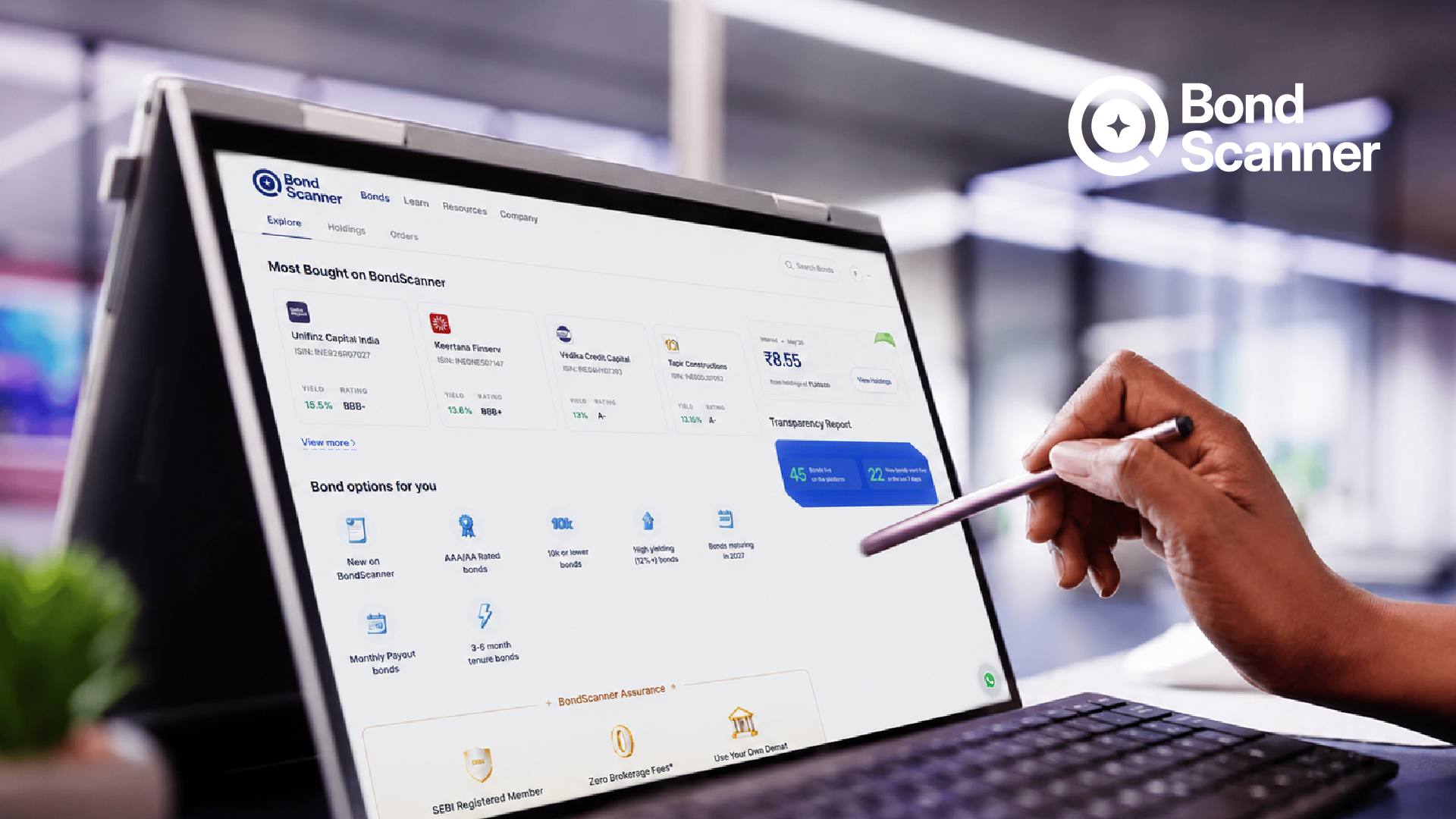
With digitization, investors can now buy corporate bonds online through various platforms.
Platform types include:
exchange-enabled trading platforms
broker-integrated bond platforms
online bond distribution platforms
These platforms aggregate bond listings from exchanges and primary issues, allowing investors to discover, compare, and transact digitally.
When evaluating the best platform to buy bonds in India, investors typically assess:
access to listed bonds
transaction process
disclosures and data availability
ease of settlement
Primary vs Secondary Market for Corporate Bonds
Primary Market
bonds are purchased directly during issuance
subscription occurs within a defined period
allotment is based on demand and category
Secondary Market
bonds are bought and sold after listing
prices fluctuate based on interest rates and liquidity
investors can exit before maturity
Both markets offer different entry points depending on availability and timing.
Step-by-Step: How to Buy Corporate Bonds Online
Educational Walkthrough
Step 1: Open Required Accounts
demat account trading account linked bank account
Step 2: Access Bond Listings
Browse available bonds on exchanges or online platforms. Step 3: Review Bond Details Check: coupon rate maturity credit rating price and yield Step 4: Place Buy Order
Enter quantity and price (for secondary market) or apply (for primary issue).
Step 5: Settlement & Credit
Bonds are credited to the demat account after settlement. This process explains how investors buy bonds in India through digital channels.
Minimum Investment & Lot Sizes
Minimum investment varies by bond type:
primary issues may require higher minimum amounts
secondary market bonds may trade in specific lot sizes
some bonds allow smaller denominations
Lot size influences accessibility for retail investors.
Eligibility, KYC & Account Requirements
To buy bonds in India, investors generally need:
PAN card
completed KYC
demat and trading accounts
compliance with platform or exchange rules
Certain bonds may impose additional eligibility conditions based on investor category.
Pricing, Yields & Liquidity Considerations
Pricing
bond prices move inversely to interest rates
credit rating impacts yield
Yields
reflect return based on purchase price and coupon
vary across issuers and maturities
Liquidity
some bonds trade actively
others may have limited buyers and sellers
Liquidity affects exit flexibility and price discovery.
Taxation Aspects of Corporate Bonds
Tax treatment depends on bond structure and holding period.
General principles:
interest income is usually taxable
capital gains tax applies on sale before maturity
tax rates vary based on tenure and investor classification
Tax rules may change and should be reviewed independently.
Risks & Limitations to Understand
Corporate bond investing involves risks such as:
credit risk (issuer default)
interest-rate risk
liquidity risk
reinvestment risk
regulatory changes
These risks should be evaluated before considering bond transactions.
Common Misconceptions
Misconception 1: Corporate bonds are risk-free
They carry credit and market risks.
Misconception 2: All bonds can be bought easily online
Availability varies by bond and platform.
Misconception 3: Bonds must be held till maturity
Listed bonds can be sold earlier.
Misconception 4: Higher yield means better bond
Higher yields often indicate higher risk.
Conclusion
Understanding where to buy corporate bonds in India, how to buy corporate bonds online, and which platforms or exchanges facilitate access helps investors navigate the bond market with clarity. Corporate bonds can be accessed through exchanges, digital platforms, and primary issuances, subject to eligibility and regulatory requirements.
Awareness of pricing, liquidity, and risks remains essential when evaluating corporate bond transactions.
Disclaimer
This blog is intended solely for educational and informational purposes. The bonds and securities mentioned herein are illustrative examples and should not be construed as investment advice or personal recommendations. BondScanner, as a SEBI-registered Online Bond Platform Provider (OBPP), does not provide personalized investment advice through this content.
Readers are advised to independently evaluate investment options and seek professional guidance before making financial decisions. Investments in bonds and other securities are subject to market risks, including the possible loss of principal. Please read all offer documents and risk disclosures carefully before investing.
Recent Blogs

Buying bonds? These 5 mistakes could be quietly increasing your risk
A practical retail guide to navigating corporate debt highlighting why chasing headline yields, ignoring concentration risk, and overlooking secondary market illiquidity can undermine your portfolio.

Nishchay Nath
06 Oct 2026

Comparisons
Edelweiss vs Muthoot Fincorp NCDs: Which high-yield issue wins?
Missed the Muthoot Fincorp NCD? A side-by-side comparative guide to locking in up to 10.00% per annum with Edelweiss Financial Services—breaking down CRISIL ratings, risk-reward tradeoffs, and portfolio allocation rules.

Atharva Joshi
06 Oct 2026

Founder's Notes
India’s bond market does not need more education, it needs better products
Why closing the ₹214 lakh crore gap between bank deposits and corporate bonds requires simpler product architecture, tokenized fractionalization, and seamless wallet-driven investing rather than endless investor education.
Nishchay Nath
30 Sep 2026
Issuer Spotlights
Understanding SMC global securities bonds: returns, credit rating & risk factors
A comprehensive investor guide to SMC Global Securities Limited NCDs, breaking down diversified financial services, annual cash flows, CRISIL A credit ratings, secondary market yields, and risk parameters.

Subham Mishra
28 Sep 2026