NMDC Bonds: Structure, Features & Understanding NMDC Bond Issues

Introduction
Public-sector companies (PSUs) play a major role in India’s bond market, raising funds for expansion, operations, and long-term infrastructure.
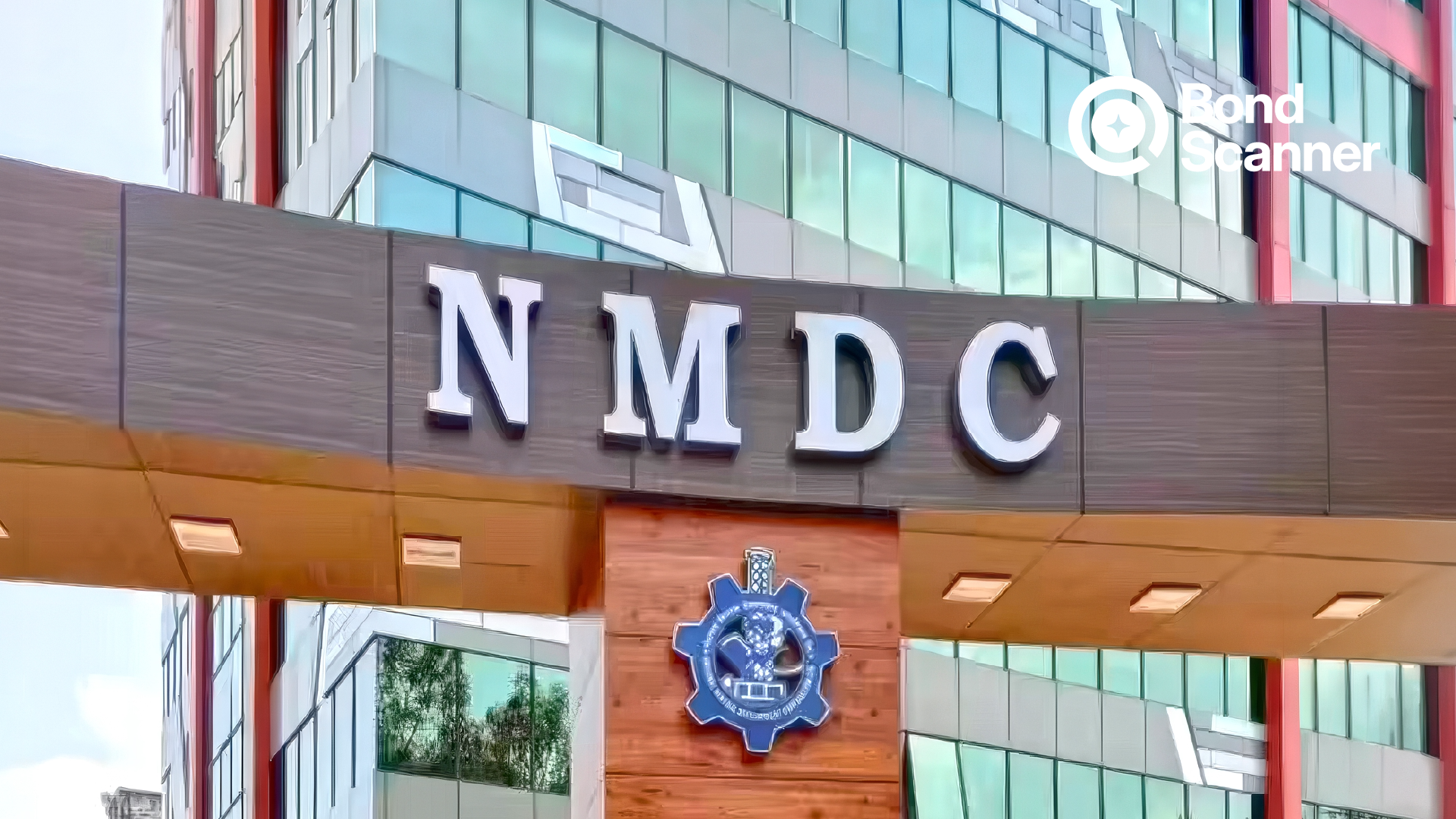
One such PSU, NMDC Limited, occasionally raises debt through NMDC Bonds and structured bond issues.
This article offers a neutral and educational explanation of NMDC Bonds, how and why NMDC raises capital, and what investors should know about these instruments.
About NMDC Limited
NMDC Ltd (National Mineral Development Corporation) is:
a Government of India Navratna PSU
India’s largest iron ore producer
involved in mining, exploration, and mineral processing
active in steel plant development and expansion
As a large PSU with ongoing capital requirements, NMDC participates in the debt market depending on its financing needs.
What Are NMDC Bonds?
NMDC Bonds refer to debt securities issued by NMDC Limited or its subsidiaries/SPVs to raise medium- to long-term capital.
These may include:
secured NCDs
unsecured NCDs
privately placed bonds
listed corporate bonds
project-specific bonds (when applicable)
The structure depends on the company’s financing strategy at the time of issuance.
Why NMDC Issues Bonds
NMDC raises capital through bond issues for purposes such as:
funding mining expansion projects
upgrading technology & infrastructure
steel plant development
refinancing existing debt
meeting working-capital needs
capital expenditure (CapEx)
Bond financing allows NMDC to diversify its funding sources beyond internal accruals and bank loans.
Types of NMDC Bond Issues
NMDC may issue different types of bonds depending on the market environment:
1. Listed Corporate Bonds
Issued to institutional investors and tradable on exchanges.
2. Privately Placed NCDs
Offered to qualified institutional buyers (QIBs).
3. Secured Bond Issues
Backed by specific assets or receivables.
4. Unsecured Corporate Debentures
Based on NMDC’s credit strength.
5. Green or ESG-aligned Bonds
(If issued for environmentally oriented projects; depends on disclosures.)
Each issuance follows SEBI’s NCS Regulations and requires detailed documentation.
Key Features of NMDC Bonds
Features vary by issuance but commonly include:
Face value: typically ₹1,000 or higher
Coupon rate: fixed or floating
Maturity: 3 to 15+ years depending on funding need
Listing: usually on NSE/BSE debt segments
Credit rating: reflects NMDC’s financial and operational strength
Denomination: often accessible to institutional participants; tranche-based access for retail varies
Official Information Memoranda (IMs) outline exact features for each issue.
Security Structure (Secured/Unsecured)
NMDC Bonds can be:
Secured Bonds
Backed by a charge on project assets, cash flows, or receivables.
Unsecured Bonds
Based solely on the issuer’s creditworthiness.
Security features impact yield, demand, and credit perceptions.
Coupon Types & Payment Frequency
NMDC Bond coupons may be:
Fixed-rate
Floating-rate
Step-up coupons (less common)
Annual / semi-annual payment schedules
The coupon structure is disclosed in each issuance document.
Maturity & Tenure
Typical NMDC bond maturities range from:
Short-term: 3–5 years
Medium-term: 5–10 years
Long-term: 10–15+ years
Long-term tenors align with NMDC’s infrastructure and mining project timelines.
Credit Ratings & What They Indicate
NMDC’s debt instruments are rated by SEBI-registered rating agencies.
Rating rationale considers:
NMDC’s government backing
dominance in iron ore mining
revenue visibility
cash-flow stability
commodity-price cycles
ongoing CapEx requirements
High-rated issuances reflect strong PSU fundamentals; however, ratings may change depending on financial or sectoral developments.
How NMDC Bond Issues Are Structured
NMDC Bonds follow a structured issuance process:
NMDC identifies funding requirements
Issues are approved internally and via board resolution
Credit rating is obtained
Information Memorandum is drafted
Trustee appointed
Bonds issued via private placement or public issue
Listing occurs on NSE or BSE (if applicable)
Interest paid at scheduled frequency
Principal repaid at maturity
Every issuance must adhere to SEBI regulations and disclosure norms.
How Investors Access NMDC Bonds
Investors can access NMDC Bonds through:
the primary market (if a public issue is offered)
private placement platforms (for eligible institutional investors)
the secondary market on NSE/BSE debt segment
SEBI-regulated Online Bond Platform Providers (OBPPs)
Retail access depends on bond denomination and listing characteristics.
Risks & Considerations
Key risks include:
1. Commodity-Linked Earnings Risk
NMDC's revenue depends on iron ore demand and pricing.
2. Regulatory & Policy Risk
Mining policies, royalty structures, and environmental approvals affect operations.
3. Credit Risk
Bond repayment ability is tied to NMDC’s financial performance.
4. Interest-Rate Risk
Bond prices fluctuate with interest-rate movement.
5. Liquidity Risk
Some NMDC bond issues may have limited secondary market liquidity.
6. Project Risk
Large-scale CapEx (e.g., steel plants) may face delays or cost variations.
All risks are detailed in the Information Memorandum of each bond issue.
How NMDC Bonds Compare with PSU Bonds
| Feature | NMDC Bonds | Other PSU Bonds |
|---|---|---|
| Sector | Mining, minerals | Power, infra, finance, transport |
| Backing | Government-owned PSU | Varies across PSUs |
| Risk | Driven by commodity cycles | Sector-specific |
| Yield | Market-determined | Varies widely |
| Maturity Options | Mid–long term | Wide range |
How BondScanner Helps Users Explore NMDC Bonds
BondScanner helps investors analyse NMDC or PSU bond issues by offering:
issuer overview
credit rating & rating rationale
coupon details
maturity timeline & YTM indicators
security type (secured/unsecured/subordinated)
call/put features (if applicable)
Information Memorandum access
market-data snapshots (if available)
BondScanner does not provide investment advice; it provides transparent, factual information to support educational analysis.
Common Misconceptions
“All PSU bonds are risk-free.”
PSUs carry business, operational, and financial risks.
“NMDC bonds always offer higher interest.”
Yield depends on market demand, credit ratings, and interest-rate environment.
“PSU status guarantees repayment.”
Repayment depends on NMDC’s financial health and project execution.
“All NMDC bonds are available for retail investors.”
Access depends on issue structure and denomination.
“BondScanner ranks or recommends bonds.”
BondScanner only provides information and disclosures.
Conclusion
NMDC Bonds represent a significant segment of India’s PSU debt landscape, supporting NMDC’s long-term mining and infrastructure goals.
Understanding the bond structure, maturity profile, credit rating, coupon terms, and risks helps investors interpret how NMDC bond issues operate within the broader corporate bond market.
BondScanner contributes to this understanding by offering transparent access to issuer details, security structure, rating insights, and official disclosures—enabling informed and responsible exploration of bonds.
Disclaimer
This blog is intended solely for educational and informational purposes. The bonds and securities mentioned herein are illustrative examples and should not be construed as investment advice or personal recommendations. BondScanner, as a SEBI-registered Online Bond Platform Provider (OBPP), does not provide personalized investment advice through this content.
Readers are advised to independently evaluate investment options and seek professional guidance before making financial decisions. Investments in bonds and other securities are subject to market risks, including possible loss of principal. Please read all offer documents and risk disclosures carefully before investing.
Recent Blogs


Issuer Spotlights
Nirmal Bang Securities Bonds: NCD Structure, Rating & Risks
An in-depth investor guide to Nirmal Bang Securities Private Limited NCDs, breaking down brokerage operations, 10.25% per annum quarterly payouts, CRISIL A- credit ratings, secondary market yields, and risk parameters.

Atharva Joshi
15 Oct 2026