Long-Term Bonds in India: Features, Risks & Who They Suit

Introduction
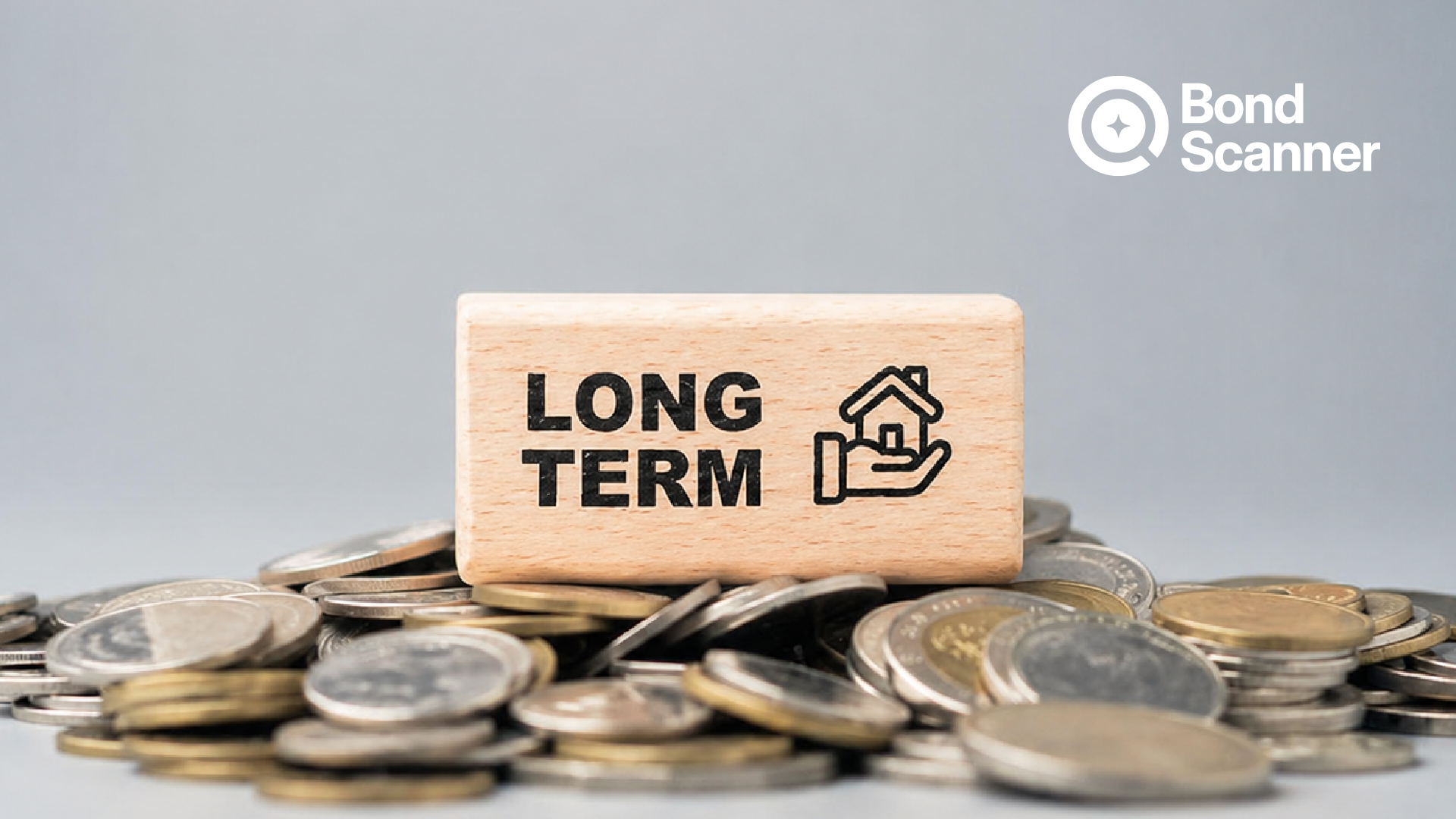
Long-term bonds form a crucial segment of India’s fixed-income market.
These instruments—often with maturities extending beyond 7 years—play a key role in funding infrastructure, development programs, and long-horizon projects.
Understanding how these bonds behave, especially compared to shorter tenures like the 2-year bond, helps clarify how maturity affects risk, yield, and suitability.
What Are Long-Term Bonds?
Long-term bonds are debt instruments with extended maturities, often ranging from:
7 years
10 years
15 years
20–40 years
They provide steady interest payments but exhibit higher sensitivity to market movements because of their longer duration.
Long-term bonds can be issued by:
Government of India (G-Secs)
State Governments (SDLs)
Public Sector Undertakings (PSUs)
Corporates and financial institutions
Common Long-Term Maturities in India
Long-term bonds commonly appear in the following tenures:
1. 7-Year Bonds
Moderate duration; often used in government borrowing programs.
2. 10-Year Bonds
One of the most widely tracked benchmarks globally.
3. 15-Year Bonds
Used for infrastructure and capital-intensive funding.
4. 20–40 Year Bonds
Long-dated securities designed for deep-liquidity markets.
Fixed maturity helps define how the bond behaves across economic cycles.
How Long-Term Bond Yields Behave
Long-term bond yields reflect:
inflation expectations
monetary policy outlook
fiscal borrowing
global interest-rate trends
term premium (extra yield for longer maturities)
Term Premium
Longer tenures typically offer higher yields as compensation for:
duration risk
reinvestment uncertainty
long-term economic variability
This is why 10-year bond yields often serve as national benchmarks.
Features of Long-Term Bonds
Predictable Cash Flows
Coupons are paid at regular intervals.
Benchmarking Role
Long-term government bonds influence home-loan rates, corporate yield curves, and lending benchmarks.
Diverse Issuers
Issued by sovereign, state, PSU, and corporate entities.
Fixed-Term Structure
Long-term bonds belong to the broader category of fixed term bonds, which provide clear maturity timelines.
Market Liquidity (Varies by Issuer)
Government long-term bonds have deeper markets compared to long-dated corporate bonds.
Risks Associated with Long-Term Bonds
Long-term bonds carry distinct risks that differ from short-term instruments.
1. Interest-Rate Risk
Bond prices fall when interest rates rise, with long-term bonds experiencing sharper swings.
2. Inflation Risk
Higher-than-expected inflation can erode long-term real returns.
3. Duration Risk
Longer maturity translates into higher sensitivity to rate movements.
4. Liquidity Risk
Certain long-dated corporate bonds may trade infrequently.
5. Credit Risk
For corporate bonds, issuer financial strength remains critical across a long cycle.
Risk understanding is essential before studying long-tenure instruments.
Role of 10-Year Bonds in the Indian Market
The 10-year bond is one of India's most important financial indicators.
Why 10-year bonds matter
Act as benchmark for borrowing costs
Reflect interest-rate expectations
Used in pricing mortgages, long-term loans, and other debt instruments
Offer a middle ground between short- and long-duration risks
Movements in the 10-year yield often signal shifts in market sentiment.
How Long-Term Bonds Compare with 2-Year Bonds
The contrast between a 2-year bond and a 10-year or 15-year bond highlights key market dynamics.
1. Interest-Rate Sensitivity
2-year bond → reacts quickly to policy rates
10-year bond → influenced by long-term inflation and growth expectations
2. Yield
Long-term yields generally exceed short-term yields due to term premium.
3. Price Volatility
Short-term: Mild
Long-term: Strong response to macroeconomic changes
4. Risk Exposure
Short-term bonds reduce uncertainty; long-term bonds respond strongly to inflation cycles.
These differences help define which strategies may suit particular maturity segments.
Long-Term Bonds in Portfolio Planning
Long-term bonds often play a role in:
balancing risk exposure
providing potential for stable long-term income
structuring maturity ladders
duration-based strategies
building exposure to sovereign and PSU issuances
These bonds complement shorter maturities by offering yield diversification and visibility across economic cycles.
Who Typically Studies Long-Term Bonds?
Long-term bonds often interest:
institutions managing large liability-driven portfolios
individuals with long-term planning horizons
participants examining fixed-term stability
those studying yield curves and benchmark movements
Understanding issuer quality, credit profile, and duration behaviour is important when reviewing long-maturity options.
Common Misconceptions
Misconception 1: Long-term bonds always give higher returns
Higher yields exist but do not guarantee higher returns due to price volatility.
Misconception 2: Long-term government bonds are risk-free
Credit risk may be minimal, but interest-rate and inflation risks remain.
Misconception 3: The 10-year bond determines all bond prices
It is a benchmark, but each maturity has its own dynamics.
Misconception 4: Long-term bonds behave like fixed deposits
Bond prices fluctuate; fixed deposits do not.
Conclusion
Long-term bonds contribute significantly to India’s financial ecosystem by offering long-duration exposure, predictable coupon structures, and benchmark references for interest-rate decisions.
Understanding their risks, features, and how they compare with shorter fixed-term bonds—like the popular 2-year bond—provides a clearer view of their role in fixed-income planning.
By analysing maturity profiles, yield behaviour, and economic influences, individuals can better interpret how long-term bonds function across market cycles.
Disclaimer
This blog is intended solely for educational and informational purposes. The bonds and securities mentioned herein are illustrative examples and should not be construed as investment advice or personal recommendations. BondScanner, as a SEBI-registered Online Bond Platform Provider (OBPP), does not provide personalized investment advice through this content.
Readers are advised to independently evaluate investment options and seek professional guidance before making financial decisions. Investments in bonds and other securities are subject to market risks, including the possible loss of principal. Please read all offer documents and risk disclosures carefully before investing.
Recent Blogs



Issuer Spotlights
Nirmal Bang Securities Bonds: NCD Structure, Rating & Risks
An in-depth investor guide to Nirmal Bang Securities Private Limited NCDs, breaking down brokerage operations, 10.25% per annum quarterly payouts, CRISIL A- credit ratings, secondary market yields, and risk parameters.

Atharva Joshi
15 Oct 2026