How to Buy RBI Bonds Online: Step-by-Step Guide
Introduction
RBI bonds are often explored by individuals seeking government-backed fixed-income instruments with clearly defined structures. With the availability of digital subscription channels, many investors now search for how to buy RBI bonds online, buy RBI bonds online, and how to buy RBI bonds in a practical, step-by-step manner.
This article provides an educational explanation of RBI bonds, RBI savings bonds, and related schemes, outlining the process, eligibility, and structural aspects—without offering investment recommendations.
Before starting the application process, it’s important to understand how RBI bonds investment works, including eligibility, tenure, and interest structure.
What Are RBI Bonds?
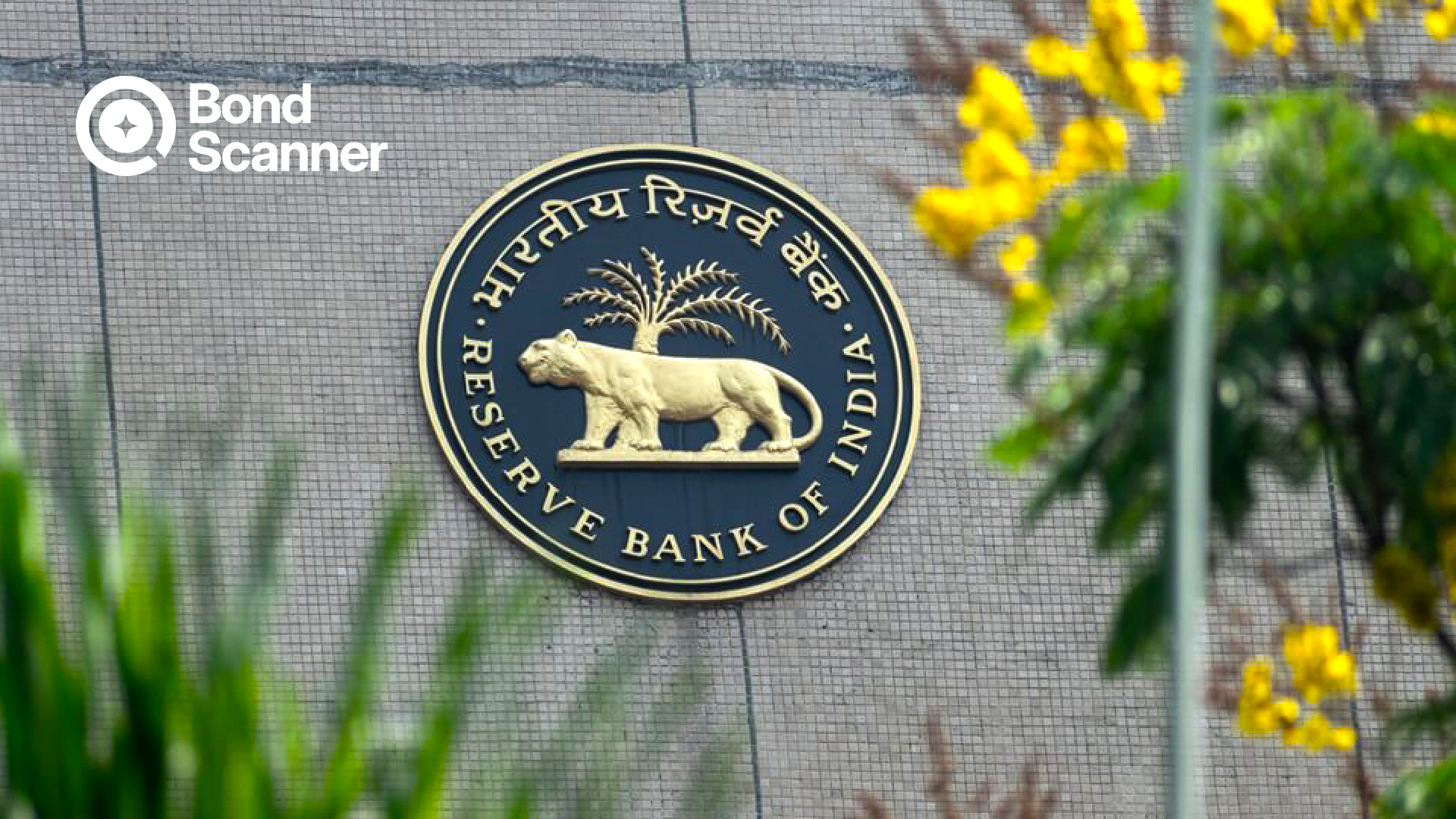
RBI bonds are government-backed savings instruments issued by the Government of India through the Reserve Bank of India. These bonds are designed as retail savings products rather than market-traded securities.
Key characteristics:
issued on behalf of the Government of India
fixed or floating interest structure
long-term tenure
non-transferable and non-tradable
interest paid periodically
RBI bonds differ significantly from exchange-listed government securities.
While National Savings Certificates offer a low-risk, government-backed option with tax benefits, RBI bonds provide another secure investment avenue for those seeking fixed returns with the flexibility of online transactions.
RBI Savings Bonds: Key Overview
RBI Savings Bonds are the most commonly referenced RBI-issued instruments available to retail investors.
Core features:
interest rate may be fixed or floating
interest typically paid semi-annually
bonds are held until maturity
premature exit options are limited and conditional
These bonds are primarily intended for long-term savings rather than liquidity.
The return on RBI bonds depends on the structure of the instrument. In the case of an RBI floating rate bond, the coupon resets periodically, making it responsive to interest rate movements.
RBI Flexi Bond Explained
The term RBI flexi bond is often used informally to describe RBI savings bonds that have floating interest rates.
How RBI flexi bonds work:
interest rate resets periodically
rate is linked to a benchmark (such as prevailing government security yields)
coupon changes over time based on rate movements
This structure introduces variability in interest income compared to fixed-rate bonds.
RBI Tax Free Bonds: Context & Clarity
Searches for RBI tax free bonds often create confusion.
Important clarification:
RBI does not currently issue tax-free bonds
tax-free bonds are issued only when notified under specific tax provisions
RBI savings bonds generally offer taxable interest
Understanding this distinction helps avoid misconceptions around tax treatment.
Who Can Buy RBI Bonds
Eligibility for RBI bonds typically includes:
resident individuals
joint holders (where permitted)
Not eligible:
NRIs
HUFs
companies and institutions
Eligibility conditions are defined by scheme notifications and may change over time.
After submitting your application, investors may want to track allotment and payment confirmation. Here’s a step-by-step guide on how to check RBI bond status online to monitor your investment details and issuance status.
Before applying, investors should confirm eligibility requirements. For details on RBI bonds for NRI and specific participation rules, refer to our dedicated guide covering NRI investment norms.
How to Buy RBI Bonds Online: Step-by-Step
Educational Walkthrough
Step 1: Check Active Bond Scheme
Confirm whether RBI savings bonds are currently open for subscription.
Step 2: Choose Subscription Mode
RBI bonds can usually be purchased:
through designated bank branches
via authorized online portals (when available)
Step 3: Complete KYC
Ensure PAN, address details, and bank account information are updated.
Step 4: Submit Application Online
Fill in application details including:
investment amount
nominee information
interest payout preference
Step 5: Payment & Confirmation
Payment is made electronically, and confirmation is issued after processing.
This explains how to buy RBI bonds online in a practical manner.
For investors looking to explore other options beyond RBI bonds, NHAI bonds can also be a good choice. Learn how to buy NHAI bonds
and diversify your bond portfolio with a government-backed investment opportunity.
Interest Payments, Tenure & Redemption
Interest Payments
typically paid semi-annually
credited directly to the linked bank account
Tenure
long-term maturity (often several years)
Redemption
principal paid at maturity
premature redemption may be allowed for specific age categories under conditions
Interest and redemption schedules are defined in scheme terms.
Holding Format & Nomination
RBI bonds are usually issued in:
electronic bond ledger format
Features include:
no physical certificate
nomination facility available
joint holding options (subject to rules)
Holding format ensures simplified record-keeping.
Taxation Aspects of RBI Bonds
Tax treatment depends on prevailing tax laws.
General principles:
interest income is typically taxable
TDS may apply as per rules
bonds do not usually offer capital gains exemption
Tax provisions are subject to change and should be reviewed independently.
Risks & Limitations to Understand
Despite government backing, RBI bonds have limitations:
lack of liquidity (non-tradable)
interest rate variability (for floating-rate bonds)
reinvestment risk
inflation impact on real returns
Understanding these factors is important when evaluating RBI bond structures.
Common Misconceptions
Misconception 1: RBI bonds are tax-free
Interest is generally taxable.
Misconception 2: RBI bonds can be sold anytime
They are non-tradable.
Misconception 3: RBI bonds offer guaranteed high returns
Returns depend on interest structure and tenure.
Misconception 4: RBI bonds are the same as government securities traded on exchanges
They are different instruments with different liquidity features.
Conclusion
Understanding how to buy RBI bonds online, the structure of RBI savings bonds, the mechanics of RBI flexi bonds, and the context around RBI tax free bonds helps clarify how these government-backed instruments function.
RBI bonds are designed for long-term savings with predictable structures rather than market-linked trading flexibility, making it essential to understand their features and limitations before evaluating them.
Disclaimer
This blog is intended solely for educational and informational purposes. The bonds and securities mentioned herein are illustrative examples and should not be construed as investment advice or personal recommendations. BondScanner, as a SEBI-registered Online Bond Platform Provider (OBPP), does not provide personalized investment advice through this content.
Readers are advised to independently evaluate investment options and seek professional guidance before making financial decisions. Investments in bonds and other securities are subject to market risks, including the possible loss of principal. Please read all offer documents and risk disclosures carefully before investing.
Recent Blogs

Buying bonds? These 5 mistakes could be quietly increasing your risk
A practical retail guide to navigating corporate debt highlighting why chasing headline yields, ignoring concentration risk, and overlooking secondary market illiquidity can undermine your portfolio.

Nishchay Nath
06 Oct 2026

Comparisons
Edelweiss vs Muthoot Fincorp NCDs: Which high-yield issue wins?
Missed the Muthoot Fincorp NCD? A side-by-side comparative guide to locking in up to 10.00% per annum with Edelweiss Financial Services—breaking down CRISIL ratings, risk-reward tradeoffs, and portfolio allocation rules.

Atharva Joshi
06 Oct 2026

Founder's Notes
India’s bond market does not need more education, it needs better products
Why closing the ₹214 lakh crore gap between bank deposits and corporate bonds requires simpler product architecture, tokenized fractionalization, and seamless wallet-driven investing rather than endless investor education.
Nishchay Nath
30 Sep 2026

Issuer Spotlights
Understanding SMC global securities bonds: returns, credit rating & risk factors
A comprehensive investor guide to SMC Global Securities Limited NCDs, breaking down diversified financial services, annual cash flows, CRISIL A credit ratings, secondary market yields, and risk parameters.

Subham Mishra
28 Sep 2026